What Property Owners Should Know About Boundary Disputes
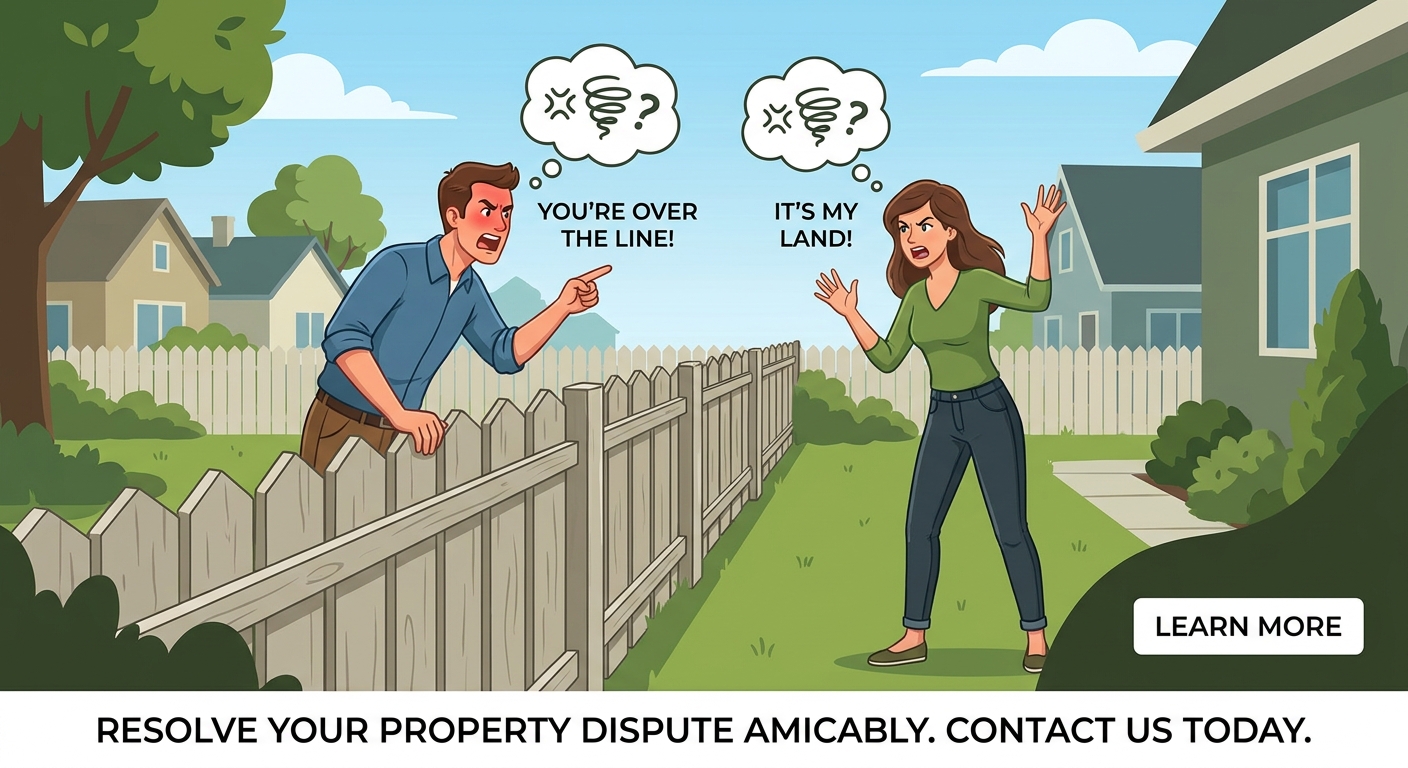
Boundary issues can catch property owners off guard, especially when a routine project brings an unexpected disagreement to the surface. A simple fence replacement or exterior improvement can reveal unclear lines between neighboring lots. When these concerns go unaddressed, they may evolve into legal conflicts with financial and practical consequences.
These disputes can impact property value, cause tension between neighbors, and even threaten ownership rights if left unresolved. Understanding how boundary disagreements form and knowing what steps to take can help protect your investment. With support from experienced Prattville attorneys at McDowell Faulk & Shirley, property owners can navigate these challenges with confidence.
How Boundary Disputes Commonly Arise
Most disagreements over property lines begin gradually rather than through intentional conflict. Many arise when a homeowner discovers that an existing structure was not placed correctly. A fence, driveway section, or small outbuilding may extend slightly beyond the property line, creating confusion about boundaries.
Access concerns can also lead to disputes. Sometimes a homeowner realizes that reaching a part of the property requires crossing into a neighbor’s land. These situations may seem harmless at first, but without clear communication, they can escalate and strain relationships.
Because boundary concerns overlap with real estate law, property owners often rely on an Alabama law firm to help interpret documents and clarify their rights before the situation grows more complicated.
Essential Legal Terms Property Owners Should Know
When addressing a boundary issue, certain legal concepts often play an important role. Understanding these terms can help you speak confidently with professionals and make informed decisions.
Encroachment refers to any structure or improvement that crosses onto adjacent land. This could include a fence built too far outward, a paved area that extends past the dividing line, or landscaping placed on neighboring property.
Easements involve specific rights allowing another person access to part of your land for a defined purpose. While many easements are legally documented and mutually understood, disputes may develop if someone expands their use beyond what was originally intended.
Adverse possession occurs when someone uses another person’s property openly and continuously for a lengthy period. If not addressed early, that individual may eventually gain legal ownership of the affected portion. This possibility underscores the importance of early action.
Why Waiting Can Create Bigger Problems
Putting off a boundary dispute rarely leads to the issue resolving on its own. The longer a disagreement continues, the more complex it can become. If a neighbor continues to build or make changes on the disputed area, resolving the conflict may require additional time, resources, and legal intervention.
Unresolved disputes may also reduce a property’s appeal to prospective buyers. Questions about access, ownership, or unclear lines can deter interest and potentially lower your home’s value. Acting early allows you to address concerns before they become more disruptive.
Property owners often benefit from speaking with Prattville attorneys who can explain how boundary issues intersect with other areas of law—from estate planning and probate to business law and litigation—especially when land is part of a larger asset or inheritance.
Practical Steps for Addressing a Boundary Issue
If you discover a potential boundary problem, taking intentional steps can help prevent the situation from escalating. Being organized and proactive makes it easier to work toward a solution.
The first step is to consult with a real estate attorney. Even if there is no active conflict, an attorney can review your documents, provide insight into your rights, and help you understand what actions you should take.
Next, gather essential records. These typically include your survey, deed, appraisal, and title documents. Reviewing them early helps you understand your position before entering conversations with your neighbor. This preparation reduces the likelihood of misunderstandings.
Often, a calm and respectful conversation can be a productive start. Sharing accurate information can help both sides understand the situation and work cooperatively. You might discuss solutions such as repositioning a structure or adjusting a boundary marker to avoid future disagreements.
If informal discussions do not lead to a resolution, your attorney may recommend sending a formal letter outlining your position and proposing a path forward. This step signals your commitment to resolving the issue while still keeping the door open for an agreement without court involvement.
Staying Organized Throughout the Process
Should the disagreement persist, maintaining organized and detailed records becomes essential. Documenting conversations, retaining copies of surveys, and tracking all communication helps strengthen your position if legal action becomes necessary.
Accurate documentation supports your attorney’s ability to present a clear and well-prepared case. Whether the issue intersects with real estate law, personal injury considerations, or other legal concerns, organization helps ensure your interests are protected.
Understanding Available Legal Paths
In situations where negotiations fail, litigation may be required to resolve the dispute. Courts often encourage mediation first, giving both sides a chance to reach a mutual agreement with guidance from a neutral party. This option can save time and reduce stress compared to a full court proceeding.
For more complicated issues, a quiet title action may provide clarity. This legal process allows a court to formally establish ownership and boundary lines, offering a definitive resolution. Because quiet title actions can be complex, they are typically pursued after other methods have been explored.
Taking a Proactive Approach
Boundary disputes can feel overwhelming, but approaching them early and thoughtfully can reduce stress and protect your investment. Understanding your rights and seeking guidance from a trusted Alabama law firm can make a significant difference.
At McDowell Faulk & Shirley, our Prattville attorneys help property owners navigate boundary conflicts with clarity and confidence. Our legal services in Prattville span a wide range of areas, including family law, estate planning, probate, business law, litigation, real estate law, personal injury, and juvenile law. If you have questions about your property lines or believe you may be facing a boundary dispute, our team is here to help you pursue a resolution that protects your property and your peace of mind.