
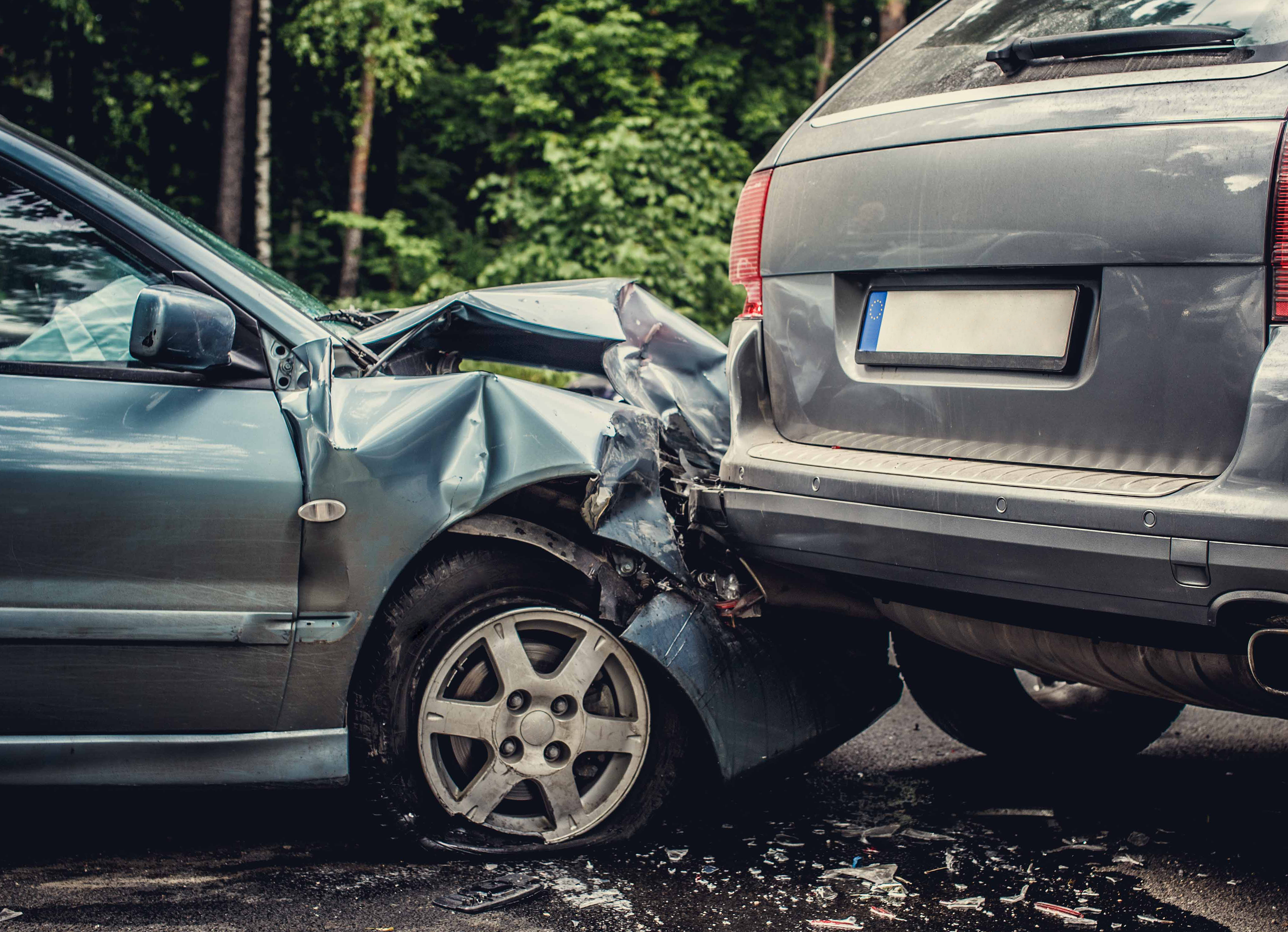
Steps to take after an accident with an uninsured driver
Being involved in a car accident is never easy, and the situation becomes even more stressful when the other driver doesn’t carry insurance. While most states require drivers to maintain some level of liability coverage, many people still take the risk of driving uninsured. When this happens, recovering compensation for medical treatment, missed income, or vehicle repairs can become more complicated. Still, there are several paths you can pursue to help protect yourself and recoup your losses.
Take immediate steps to stay safe and document the scene
If you’re in an accident with an uninsured driver, what you do in the moments afterward can have a major impact on your ability to file a claim. Start by checking for injuries—both your own and those of any passengers. If anyone is hurt, call emergency services right away. Even if injuries seem minor, it’s best to get medical attention since some symptoms don’t appear immediately.
Next, contact law enforcement so an official accident report can be filed. This document is essential for insurance claims and provides a clear record of what happened. Gather as much information as you can at the scene, including the other driver’s name, contact details, vehicle information, and license plate number. Photos can also be incredibly helpful—capture images of all vehicles involved, any visible damages, road conditions, traffic signs, and anything else that might support your claim.
Once you’ve collected the necessary details, notify your insurance company as soon as possible. Most insurers require timely reporting, and quick action ensures your claim can move forward without delays. In many states, the “at-fault” driver is responsible for paying damages, so the ultimate outcome will depend on who is legally determined to have caused the crash.
Understanding how your insurance coverage may help
If the uninsured driver is found to be at fault, your own coverage may step in to help cover the costs. Many drivers carry uninsured or underinsured motorist coverage, which is specifically designed for situations like this. This protection can help pay for medical expenses, lost income, and in some cases, damage to your vehicle when the other driver cannot.
If you also have optional coverages—such as collision or personal injury protection (PIP)—these may offer additional financial support. Collision coverage can help pay for repairs to your car no matter who caused the accident, while PIP coverage can assist with medical bills and related expenses. If you don’t carry these types of coverage, your options for reimbursement through insurance may be more limited, making it even more important to understand your policy and the benefits available to you.
Considering legal action to recover losses
When insurance isn’t enough to cover your damages, you may decide to pursue legal action against the uninsured driver. Filing a lawsuit can help you seek compensation for property damage, medical treatment, lost wages, and even pain and suffering. However, taking the legal route is usually most effective when the driver has assets or income that could be used to satisfy a settlement or court judgment.
Before moving forward, it can be helpful to speak with a car accident attorney who can evaluate the situation and offer guidance. An attorney can explain what evidence is needed, help you build your case, and advise you on whether pursuing legal action is practical based on the driver’s financial circumstances. They can also help ensure your claim is properly documented and filed within required timelines.
How hit-and-run situations are handled
If the accident involves a hit-and-run driver, many of the steps are similar. You should still call the police right away so the incident is officially recorded, and provide as much detail as you can about the fleeing vehicle. Because the other driver cannot be identified, your uninsured motorist coverage typically applies in these situations. Contacting your insurer promptly helps set the claims process in motion and ensures you follow any policy requirements for reporting the incident.
Why working with an attorney can make a difference
Faced with an uninsured or unidentified driver, the process can be overwhelming. Between gathering documents, speaking with adjusters, and trying to understand your coverage, it’s easy to feel unsure about your next steps. This is where an experienced attorney can be especially helpful. They can navigate the insurance claims process with you, negotiate on your behalf, and ensure your rights remain protected throughout the case.
Taking quick, informed action after the accident is the best way to reduce financial strain and support your recovery. Understanding how your insurance coverage works, documenting everything carefully, and seeking legal guidance when necessary can help you secure the compensation you deserve—even when the other driver lacks proper coverage.