
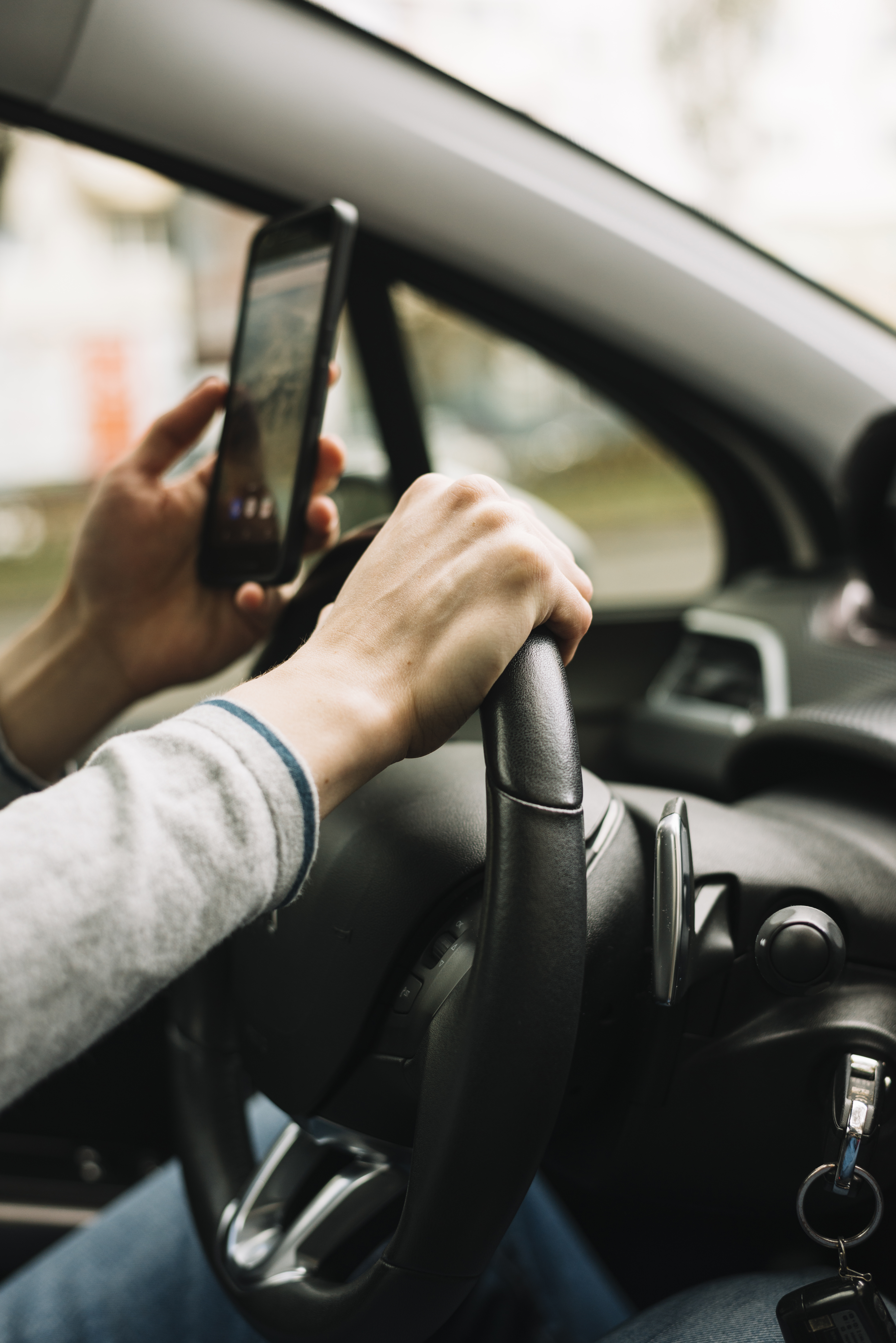
How Evidence Helps Prove Distracted Driving in Accident Claims
Distracted driving remains a major contributor to collisions across the United States, and proving that inattention caused a crash can be challenging. Although awareness efforts continue to highlight the dangers, demonstrating that a driver was distracted requires carefully gathered evidence from multiple sources. Digital records, witness statements, and physical clues at the scene often work together to create a clear and convincing narrative of negligence.
As April marks Distracted Driving Awareness Month, it’s a good time to understand how different forms of evidence can help strengthen a personal injury claim and show that a driver’s lack of focus directly led to an accident.
Digital Evidence: Understanding the Driver’s Technology Trail
Phone Records and Mobile Activity
One of the most telling indicators of distracted driving comes from a driver’s cellphone. Call histories, texting timestamps, and app activity logs can all help determine whether the driver was interacting with their device at or near the moment of the collision. Even without reviewing the contents of messages, simple timing data can strongly suggest that attention was diverted from the road.
Accessing this information, however, is not always simple. Phone carriers generally store records for limited periods, and obtaining them often requires a subpoena. In more complex cases, forensic specialists may analyze a device to uncover deleted information or identify whether the driver was using apps such as GPS, messaging services, or social media around the time of the crash.
Social Media and Location-Based Evidence
In an age where people frequently post or scroll online throughout the day, social media activity can become a valuable source of insight. Some drivers upload photos, livestream, or update their status while behind the wheel, not realizing these digital actions can later serve as crucial evidence in a legal claim.
Location check-ins, post timestamps, and interaction patterns—such as typing indicators or rapid app switching—may reveal that a driver’s attention was fixed on their phone. Combined with mobile records, these elements can help establish a timeline of distraction that fits with the events leading up to the crash.
Eyewitness Testimony and Video Footage: Building a Clearer Picture
Witness Observations
Eyewitnesses serve as another essential piece of evidence in distracted driving cases. Other motorists, pedestrians, or passengers might have seen the driver looking down, holding a device, or engaging in another non-driving task. Their accounts help reinforce digital records by adding real-time impressions of the driver’s behavior.
Witnesses may also recall events immediately after the crash, such as the driver admitting to using their phone or appearing visibly distracted, with a lit screen still visible. These small but meaningful details often help clarify what occurred moments before the impact.
Traffic Cameras and Dashcam Recordings
Many streets and intersections are monitored by surveillance systems, and a growing number of drivers rely on dashcams for safety. If these recordings capture drifting, delayed braking, or device interaction, they can serve as compelling visual proof of distraction.
The challenge, however, is timing. Much of this footage is automatically deleted or overwritten within hours or days. Attorneys must act quickly to request, secure, and preserve these recordings before they are lost permanently.
Vehicle and Scene Evidence: Physical Clues That Reveal Inattention
Event Data Recorders (EDRs)
Modern vehicles usually contain an Event Data Recorder, often referred to as a "black box." These devices store key information from the seconds leading up to a crash, such as speed, brake force, steering corrections, and throttle input. This data can help determine whether a driver attempted to avoid the collision.
If the EDR shows no braking or swerving, it may indicate the driver failed to react in time—potentially due to distraction. When paired with digital or witness evidence, this information can contribute to a compelling case narrative.
Crash Scene Indicators
Traditional investigative methods continue to play an important role in proving distracted driving. Skid marks, vehicle impact points, and the placement of debris all help clarify how a crash occurred. For instance, a rear-end collision at a stoplight with no braking evidence is a strong sign that the at-fault driver was not paying attention.
Accident reconstruction experts often use these physical details to recreate what happened and determine whether the crash could have been avoided had the driver been fully attentive.
Why Acting Quickly Is Essential
Although all of this evidence can be vital, much of it is time-sensitive. Phone carriers, social media platforms, and camera systems often purge or overwrite data after short periods. Subpoenas and preservation requests also cannot be filed until a legal case is formally underway.
For these reasons, seeking legal guidance immediately after a suspected distracted driving accident is crucial. A personal injury attorney can send timely preservation letters, request phone and social media data, secure dashcam or surveillance footage, examine EDR information, work with reconstruction specialists, and begin assembling the evidence needed to support your claim. Waiting too long may cause important information to disappear permanently.
Taking the Next Step After a Distracted Driving Crash
Proving that a driver was distracted requires prompt action, thorough investigation, and a strategic approach to gathering evidence. Whether the distraction involved texting, browsing social media, or using navigation apps, uncovering these details can be the deciding factor in achieving a fair outcome.
If you believe distraction contributed to your accident, don’t delay seeking legal help. A knowledgeable attorney can guide you through the process, protect critical evidence, and help you pursue the justice and compensation you deserve.