
Essential Back‑To‑School Safety Tips for Families
As families gear up for a new academic year, it’s a great time to revisit key safety habits that help protect children throughout their day. From the morning commute to after-school routines, small reminders can make a meaningful difference. These tips offer practical ways to support safe habits as your family transitions into a busy school schedule.
At McDowell Faulk & Shirley, our team of Prattville attorneys is committed to supporting families in our community. While we primarily provide legal guidance in areas such as family law, estate planning, probate, personal injury, real estate law, and other legal services in Prattville, we also recognize the importance of everyday safety as children return to school.
Safe Steps Before the School Day Begins
The trip to school is a major part of a child’s daily routine, and preparing for it helps build confidence and awareness. Whether children walk, bike, ride the bus, or travel by car, reinforcing basic safety can reduce risks along the way.
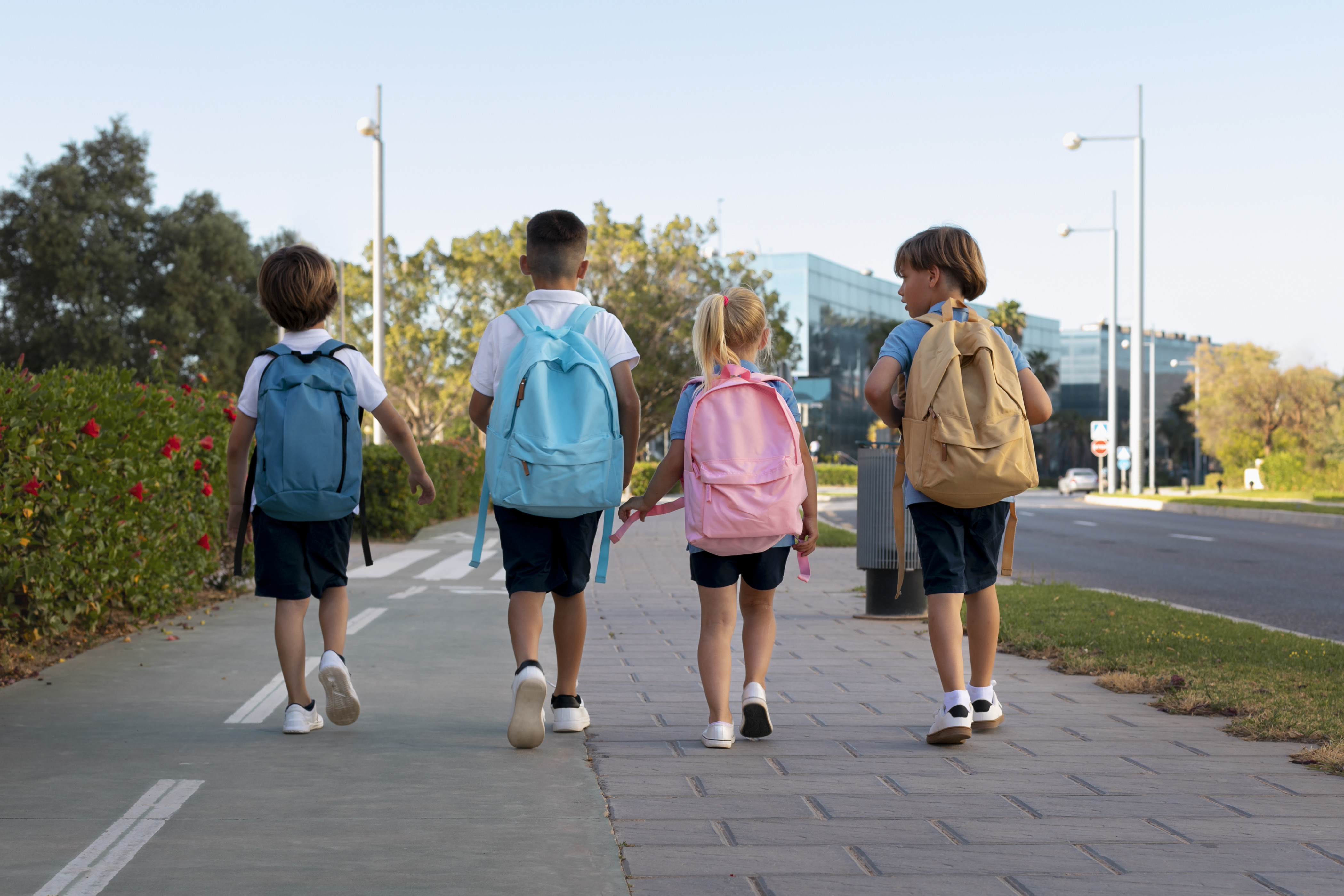
For students who walk, using sidewalks whenever they are available provides a safer route. Children should cross the street only at intersections or marked crosswalks, taking time to look both ways before stepping forward. Encouraging walkers to travel with siblings or friends adds an extra layer of awareness and helps them stay alert throughout the trip.
Students who bike to school should always fasten a properly fitted helmet, no matter how short the ride may be. Riders should stay to the right side of the road and move with the flow of traffic. Stopping fully before crossing streets and choosing roads with lighter traffic can help reduce stress and increase safety during the morning commute.
Parents may also want to review bus safety before the first day back. Children should remain several feet from the curb while waiting and only step forward once the bus has come to a complete stop. It’s important to avoid walking directly in front of or behind a bus unless the driver confirms it is safe to cross. These small precautions help keep busy pick-up times running smoothly.
Families who drive their children to school play a big part in maintaining safe school zones. Following drop-off guidelines, slowing down in designated areas, and never passing a stopped bus are essential habits. Teen drivers may also benefit from reminders about wearing seatbelts, avoiding distractions, and respecting posted speed limits as they return to their school-year routine.
Building Healthy and Safe Habits During the School Day
Once children arrive at school, a few simple routines can help them stay safe and prepared throughout the day. One helpful step is making sure each child knows their full name, address, and a parent or guardian’s phone number. Some families choose to tuck a small emergency contact card inside a backpack to keep important information handy if a child ever needs help.
Hygiene plays a significant role during the school year, especially in classrooms filled with active students. Demonstrating effective handwashing and reminding children not to share drinks or snacks with classmates may reduce the spread of everyday illnesses.
Backpack safety often gets overlooked, but it can make a difference in a child’s comfort. Carrying too much weight can strain shoulders and backs, so experts suggest keeping the load under about fifteen percent of a child’s body weight. Using both shoulder straps also helps distribute weight more evenly.
Talking with children about bullying is another important part of school safety. Discussing what bullying looks like and identifying trusted adults who can help encourages kids to speak up if they feel uncomfortable or witness harmful behavior.
Families might also consider how they label personal belongings. Instead of placing a child’s full name in a visible spot on backpacks or lunch containers, initials or interior labels offer more privacy while still helping items find their way home.
Staying Safe After the Final Bell
The hours that follow the school day can be just as active as the morning, especially for families balancing work, transportation, and after-school activities. Setting up a simple check-in routine helps ensure everyone gets home safely. For example, children who arrive home before an adult can send a quick call or message to confirm they made it inside.
If a child spends time alone at home, establishing clear expectations ahead of time can reduce confusion. Families can talk about keeping doors locked, handling unexpected visitors, and whether children should answer the phone. Reviewing these guidelines helps create consistency and security.
Internet safety is another important topic for students of all ages. Reminding children not to share details such as their address, school name, or daily schedule online helps protect their privacy. Encouraging open discussion about messages, apps, and interactions can make it easier for children to reach out if they encounter something concerning.
Families can also review emergency plans together. Children should know where to go during severe weather, where to meet outside if there is a fire, and who to contact if a parent is unavailable. Practicing these steps at home helps children respond more confidently during stressful situations.
Preparing for a Safe and Successful School Year
The back‑to‑school season brings new routines, new friends, and new opportunities. Taking a little time to review safety habits before the school year begins can help children feel more at ease and help parents feel more prepared. If you ever have questions about legal issues that affect your family—whether related to family law, estate planning, probate concerns, juvenile matters, or other legal services in Prattville—our team at McDowell Faulk & Shirley is here to support you with trusted, community‑focused guidance.